
Magical Nest × Mindframes Media
The life inside.
A room can be photographed. Its story has to be discovered. How we turned children's interiors into films about the people who live in them.
KIDS' INTERIORS / PHOTOGRAPHY, FILM & CREATIVE STORYTELLING
SPACE / PEOPLE / STORY
KIDS' INTERIORS
- Interior design
- Magical Nest
- Story, photography and film
- Mindframes Media
Every room has someone in it.Magical Nest designs rooms for children. Mindframes photographs the spaces, gets to know the families, and builds the films around what makes each of them different.
Designed, built, finished
Geometry, light, material and the way a small room opens up on camera. Composed with an architect’s patience.
Lived in, explained, remembered
A child’s obsessions, a parent’s reasons, the habits a room was shaped around. Found by listening.
Small rooms, shown whole.
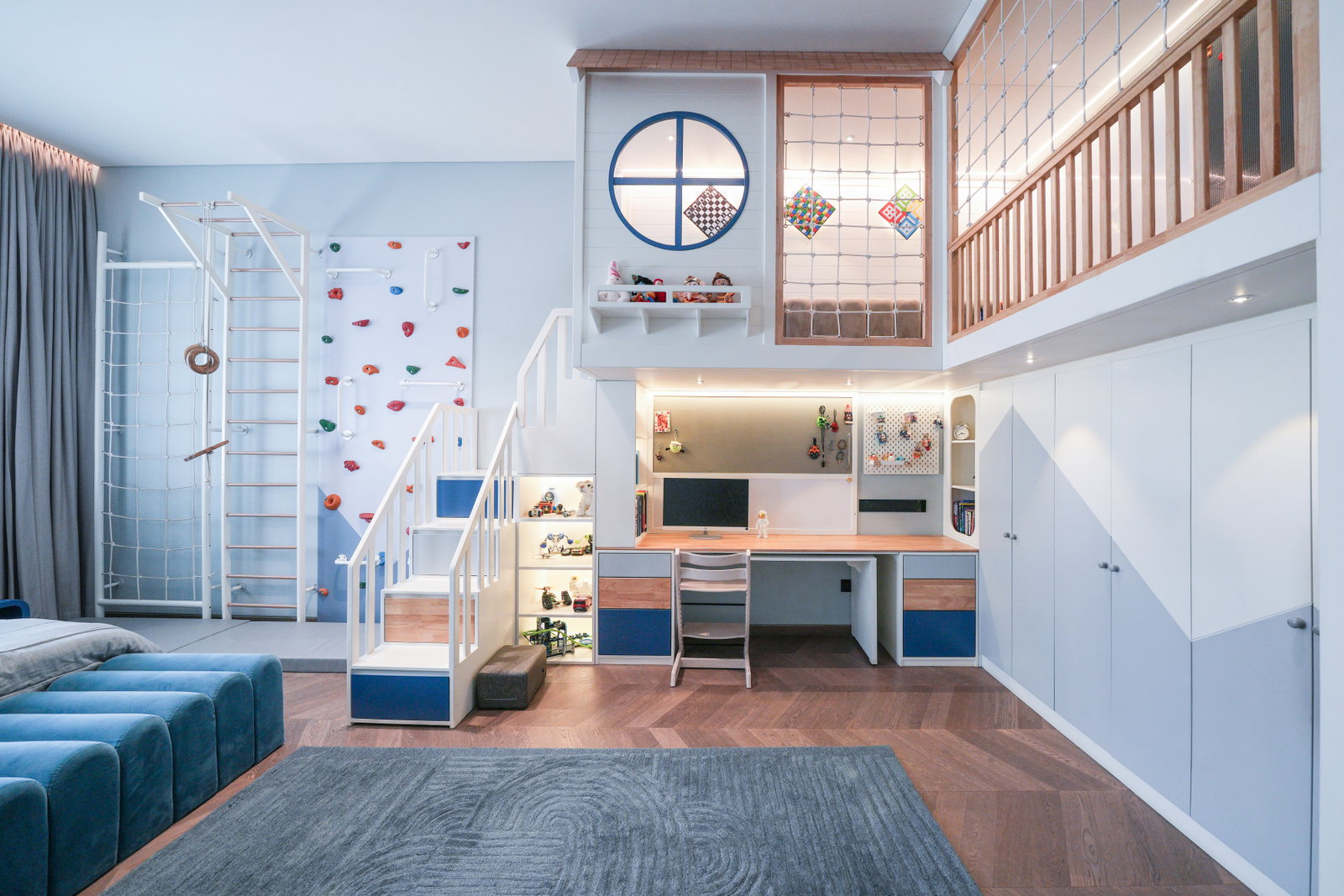
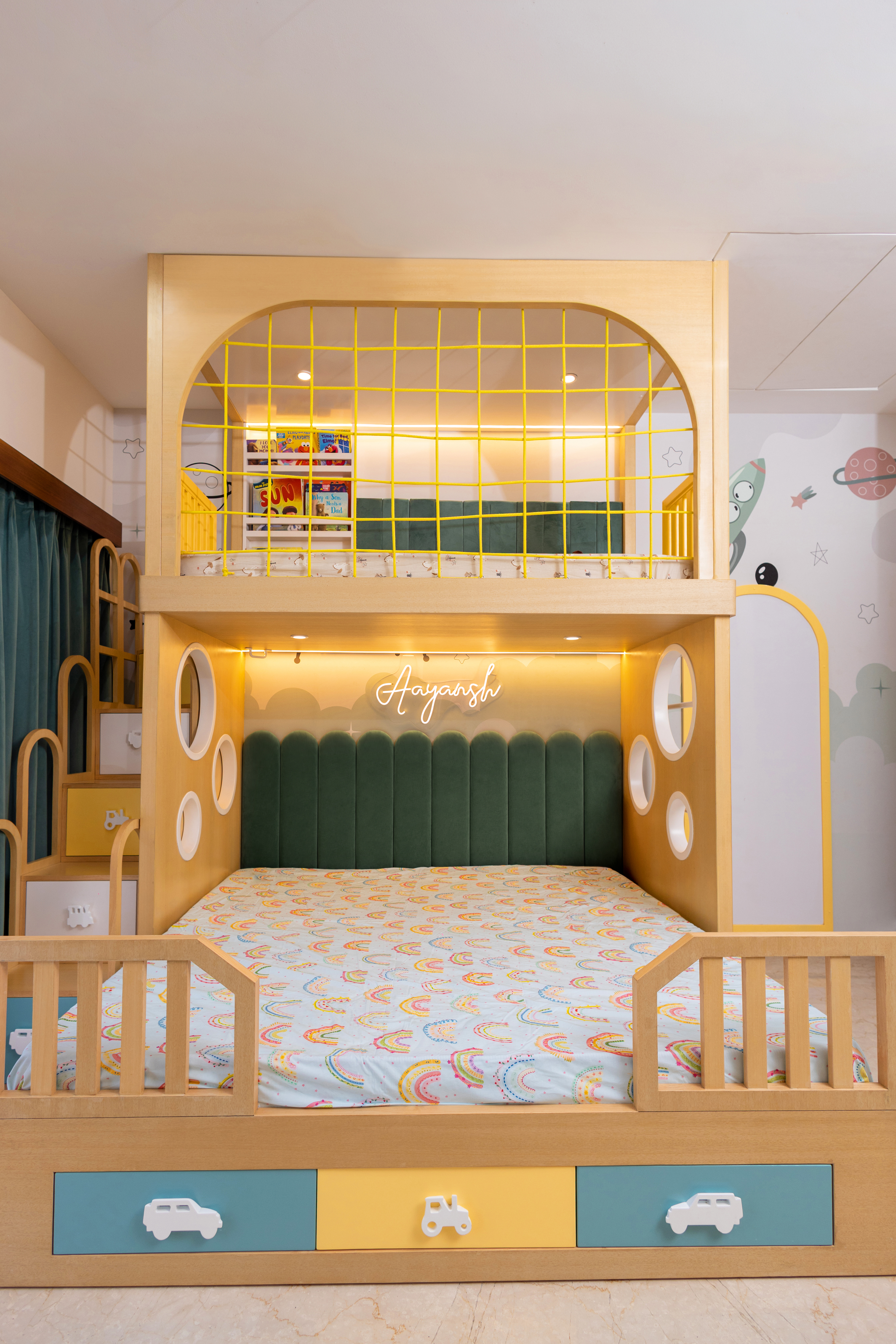
Children’s rooms are compact, full of detail and lit by real windows. The first job is to show the design as Magical Nest intended it: proportions true, materials legible, nothing distorted.
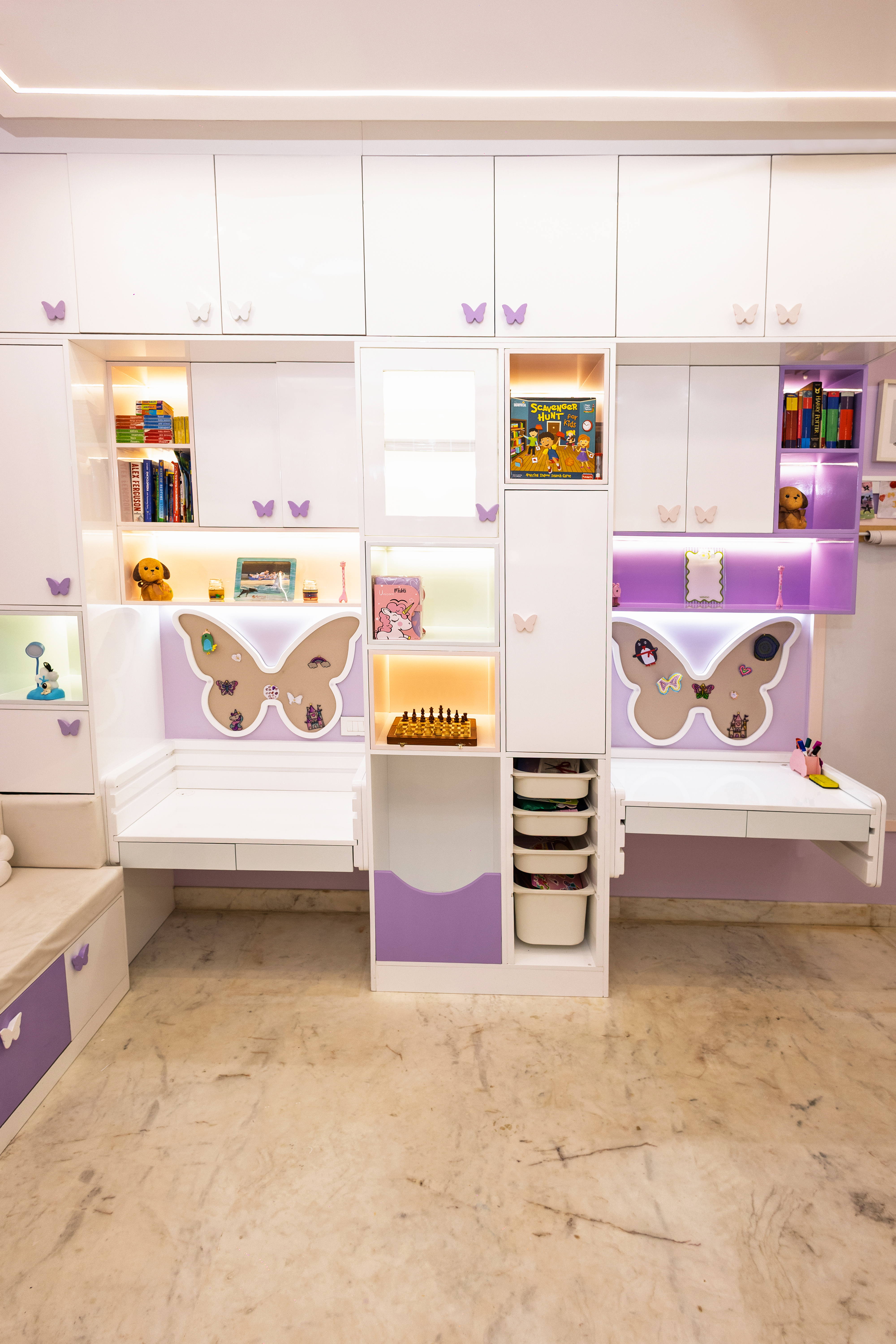
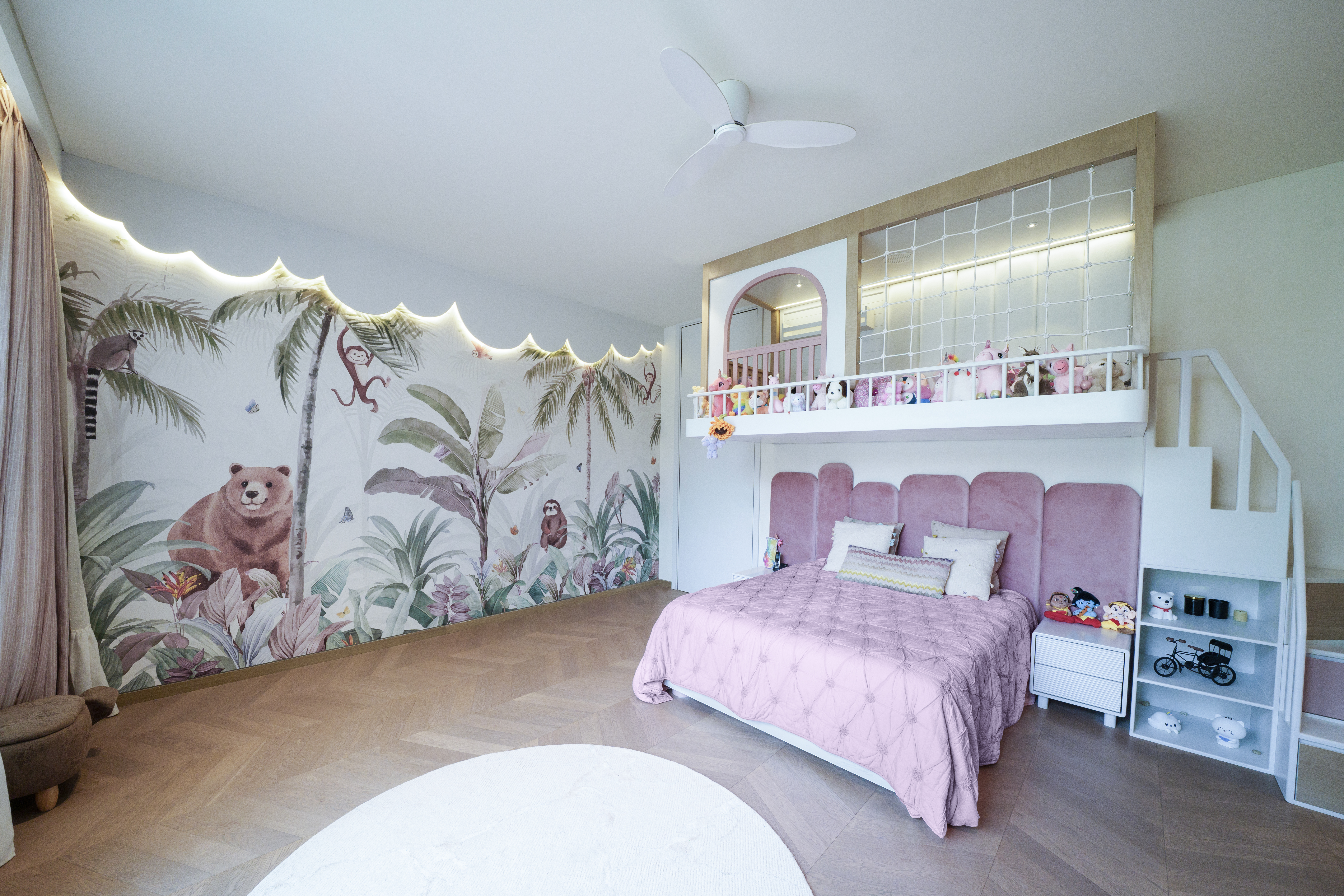
Every detail is a decision.
Filming tight interiors calls for preparation. We think through light, composition, movement and delivery formats before the first take.
Shape the light.
Read the windows, the practical lights and the surfaces. Keep the materials and mood believable.
Find the frame.
Open up compact rooms while preserving the relationships between lines, furniture and scale.
Move with purpose.
Choose when to reveal a room, when to follow a person and when to let a moment stay still.
Make room for life.
Prepare cameras, lighting and the shooting plan so families can remain at ease in their own space.
One space.
Two visual languages.
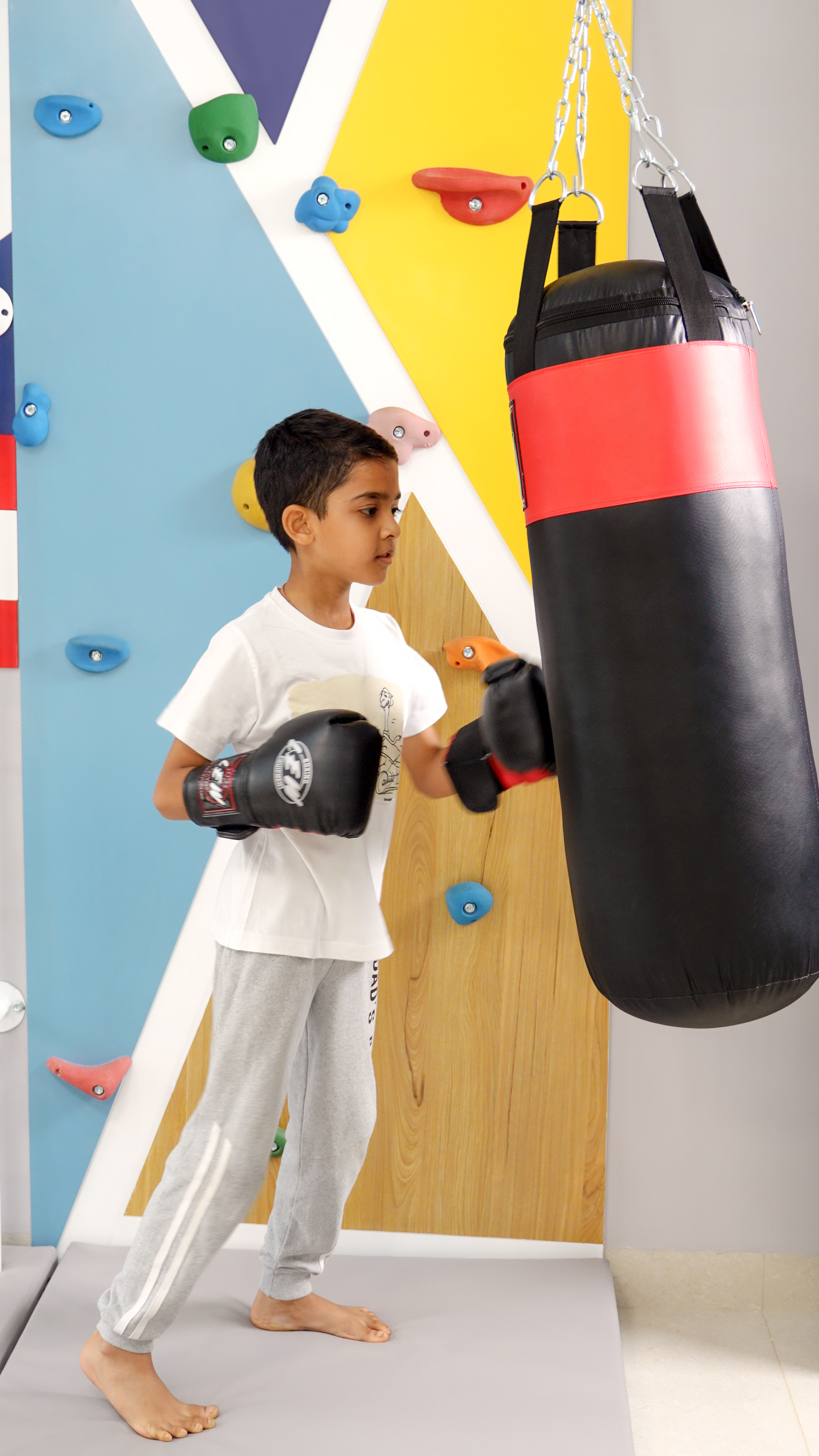
Horizontal filmmaking gives room to explore. Vertical framing gets closer to the people and moments. Preview how the same frame behaves in each format.
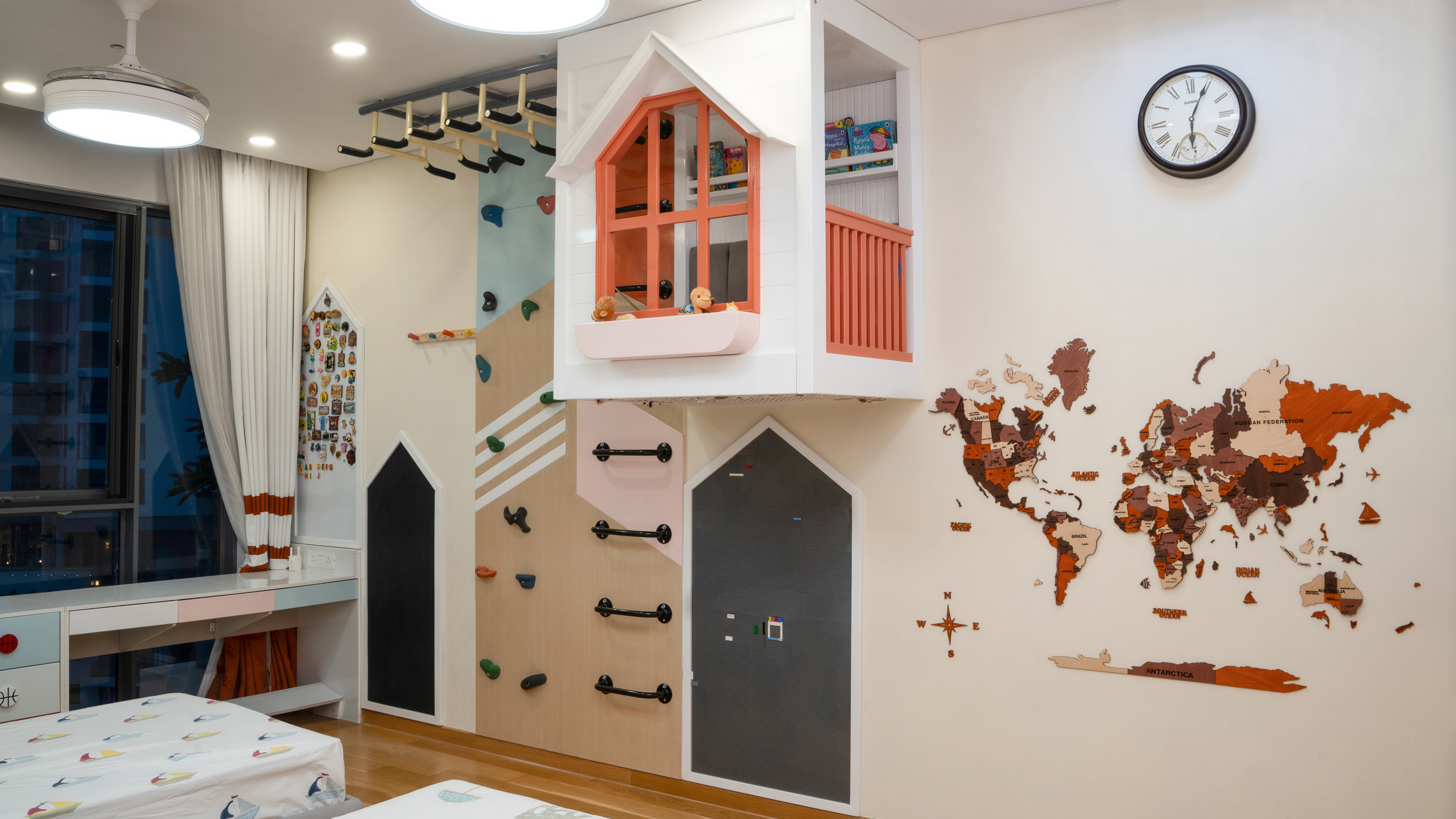
Illustrative format comparison, not an actual crop.
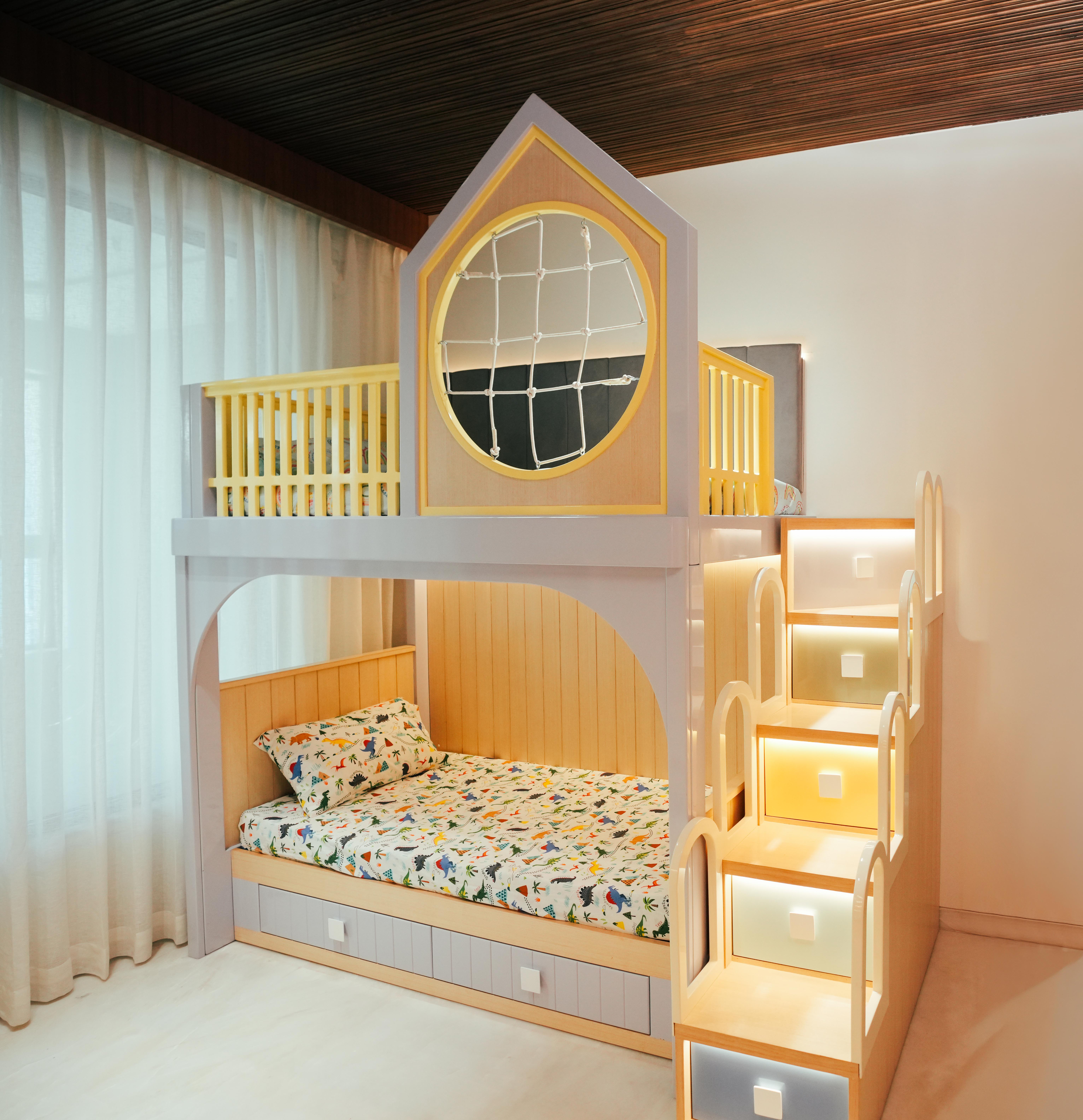
The design is finished when the room is built. The story starts when someone walks in.
Then the room comes alive.
The best direction sometimes starts with a conversation. We discover what excites a child, then improvise around it.
01 / The observation
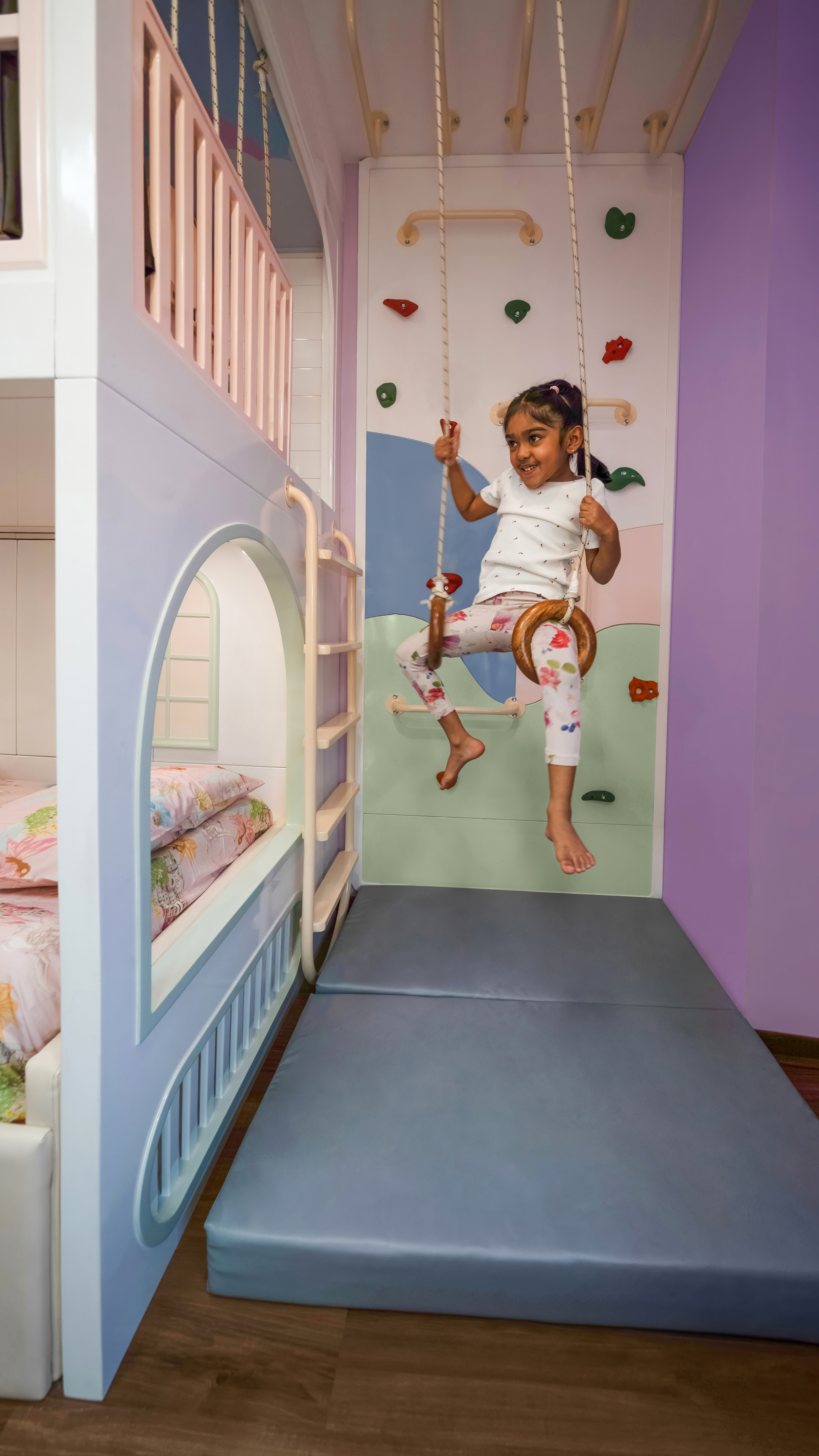
All things pink.
Ariana's love of pink became a game we invented on location: find everything pink in her new room.
One small detail about her personality.
A playful, child-led challenge rather than a conventional room reveal.
02 / The trust
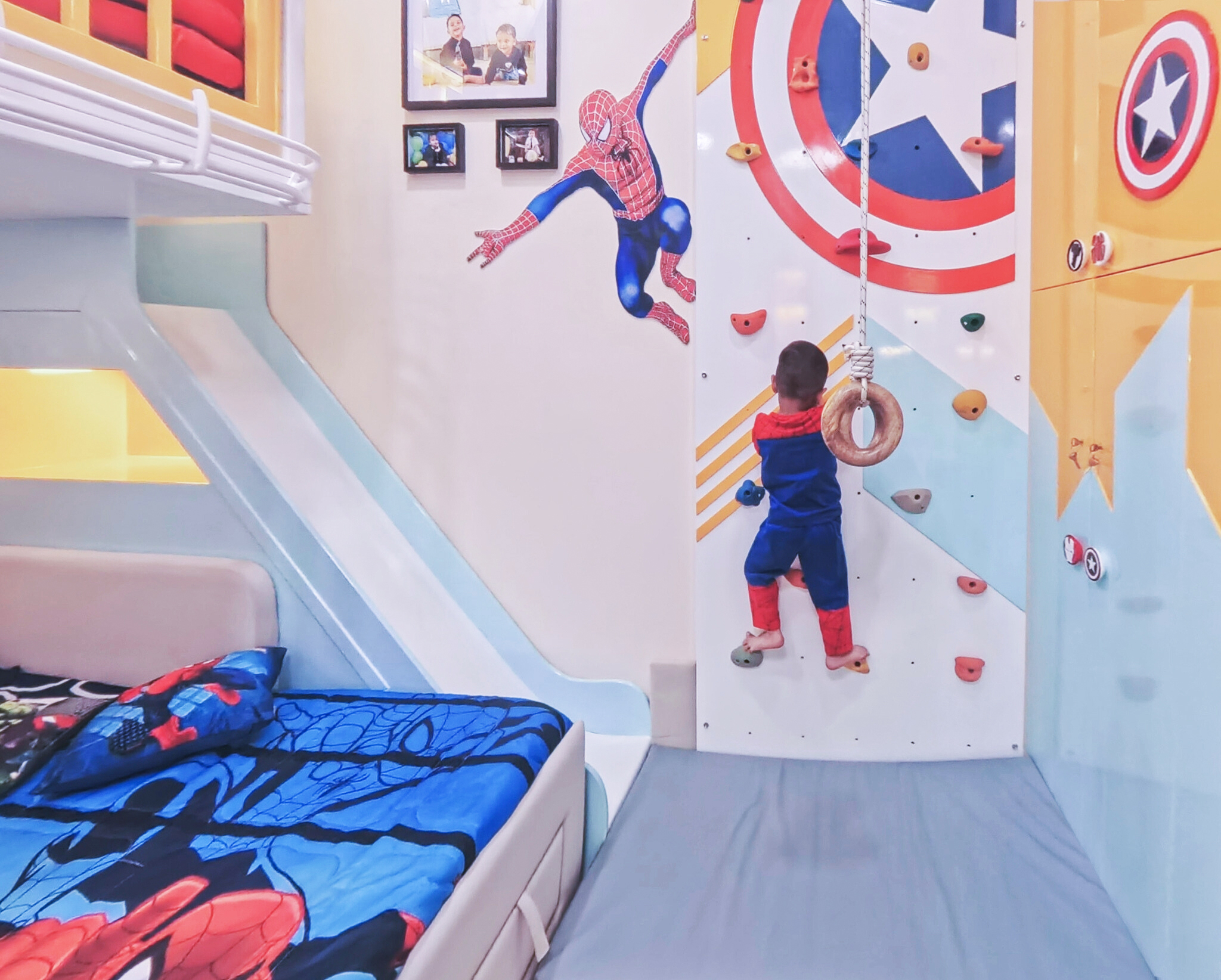
Meet Spider-Man.
He was initially hesitant around the camera. Talking and playing with him made room for his Spider-Man enthusiasm to emerge naturally.
A favourite superhero, and a little patience.
A character-led portrait of a child comfortable enough to be himself.
03 / The idea
Messi or Ronaldo?
Two brothers, two football heroes and one shared room. Their playful rivalry gave the story its structure.
A friendly disagreement about football's greatest player.
A room designed for two boys, explained through their differences.
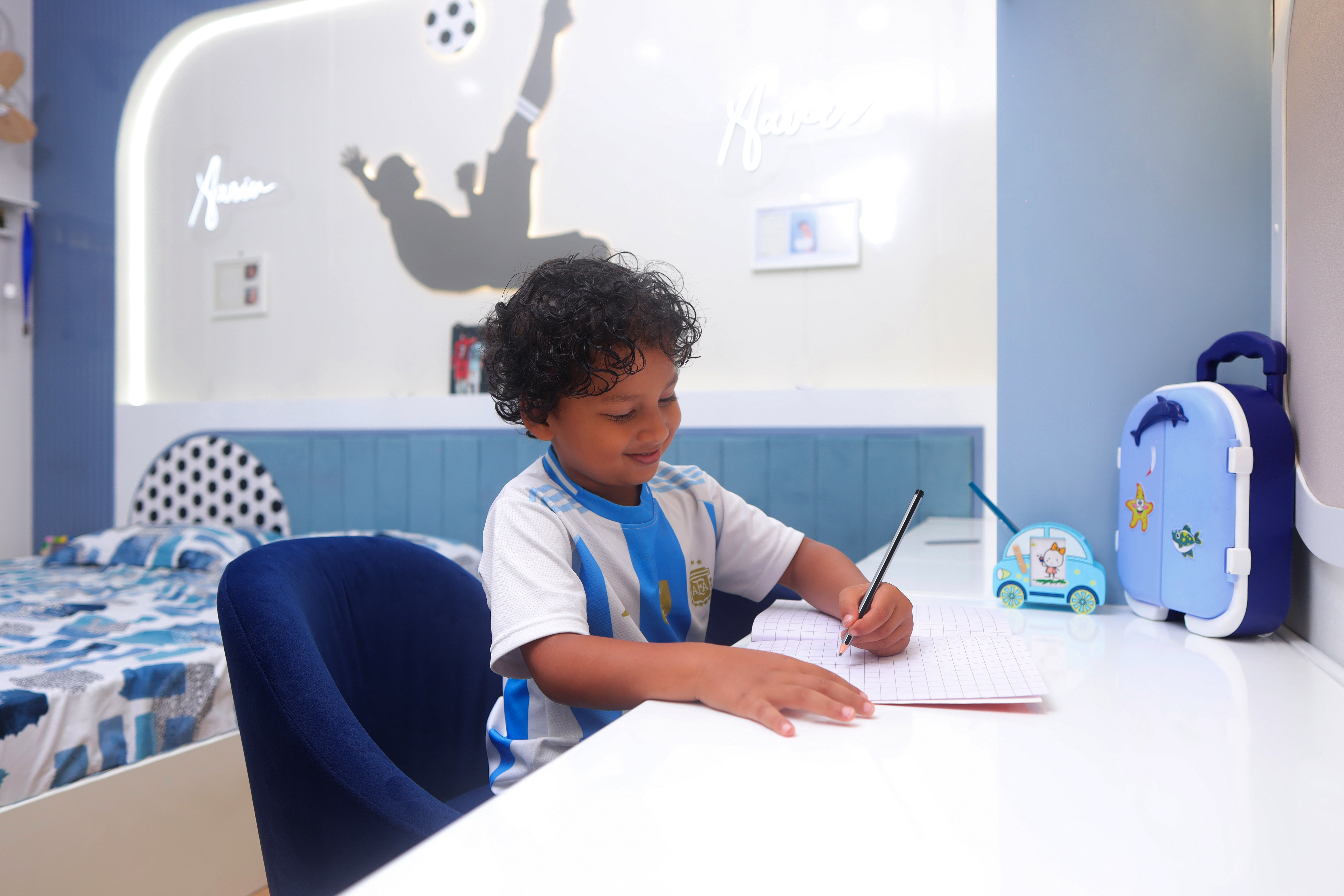
The room provides the setting. The child gives us the story.
Why the room exists.
A testimonial asks whether the parents are happy. These conversations ask what they were hoping for — and often where that hope began.
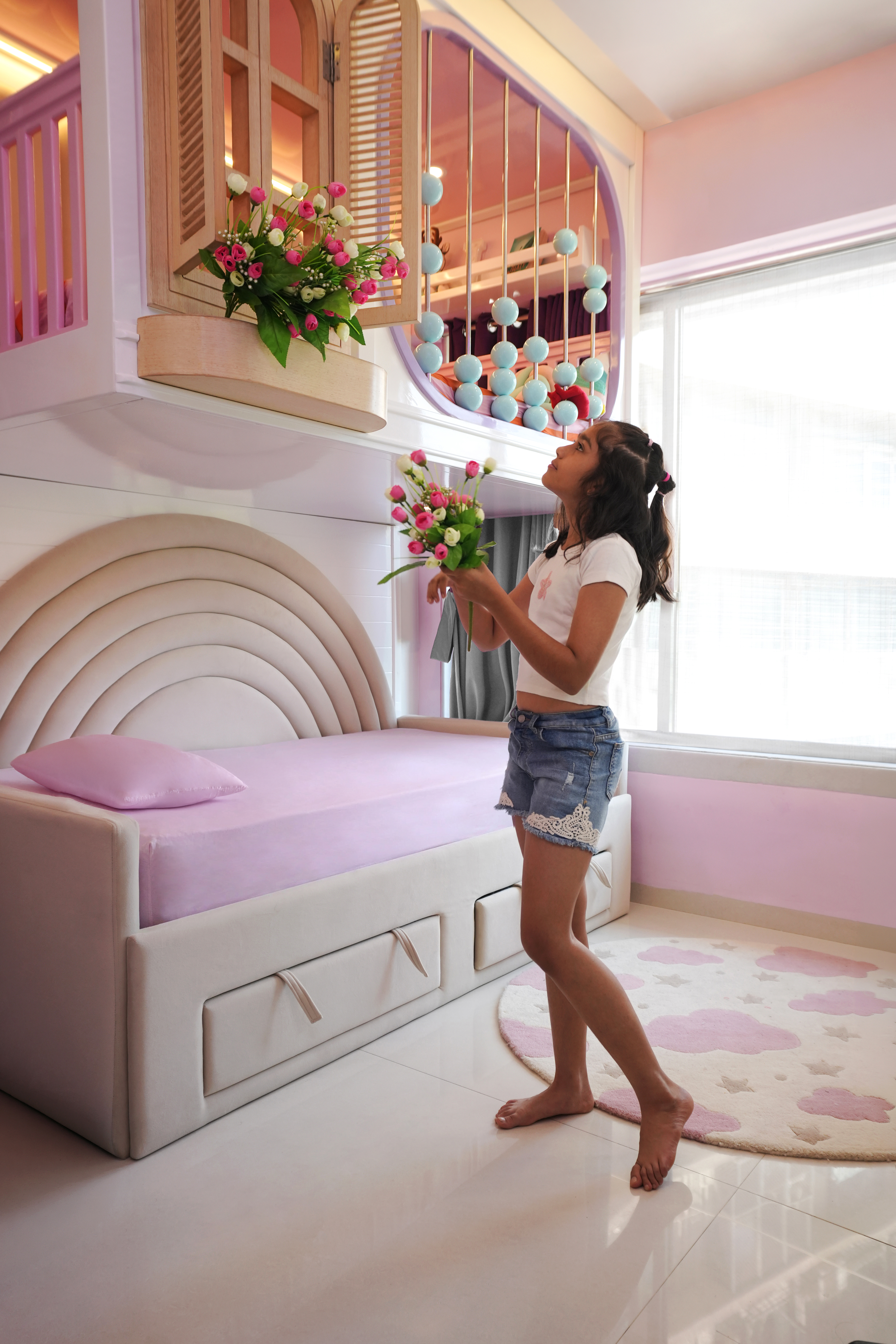
A room becomes personal through the people who use it.
Motivation
What made the family decide this room mattered.
The child
Personality and interests, as the people closest to them see it.
Aspiration
What the parents hope the room will give their child as they grow.
Memory
How their own childhood rooms shaped what they wanted for this one.
Twoworlds.
Sanvi is growing out of childhood and into something more independent. Her room had to hold both. Rather than a room tour, her film asks what having her own space means now — and her parents’ film answers the same question from the other side.
The same room, through her parents' eyes.
Two films, one question. Seen together, they show a family negotiating independence through a single space.
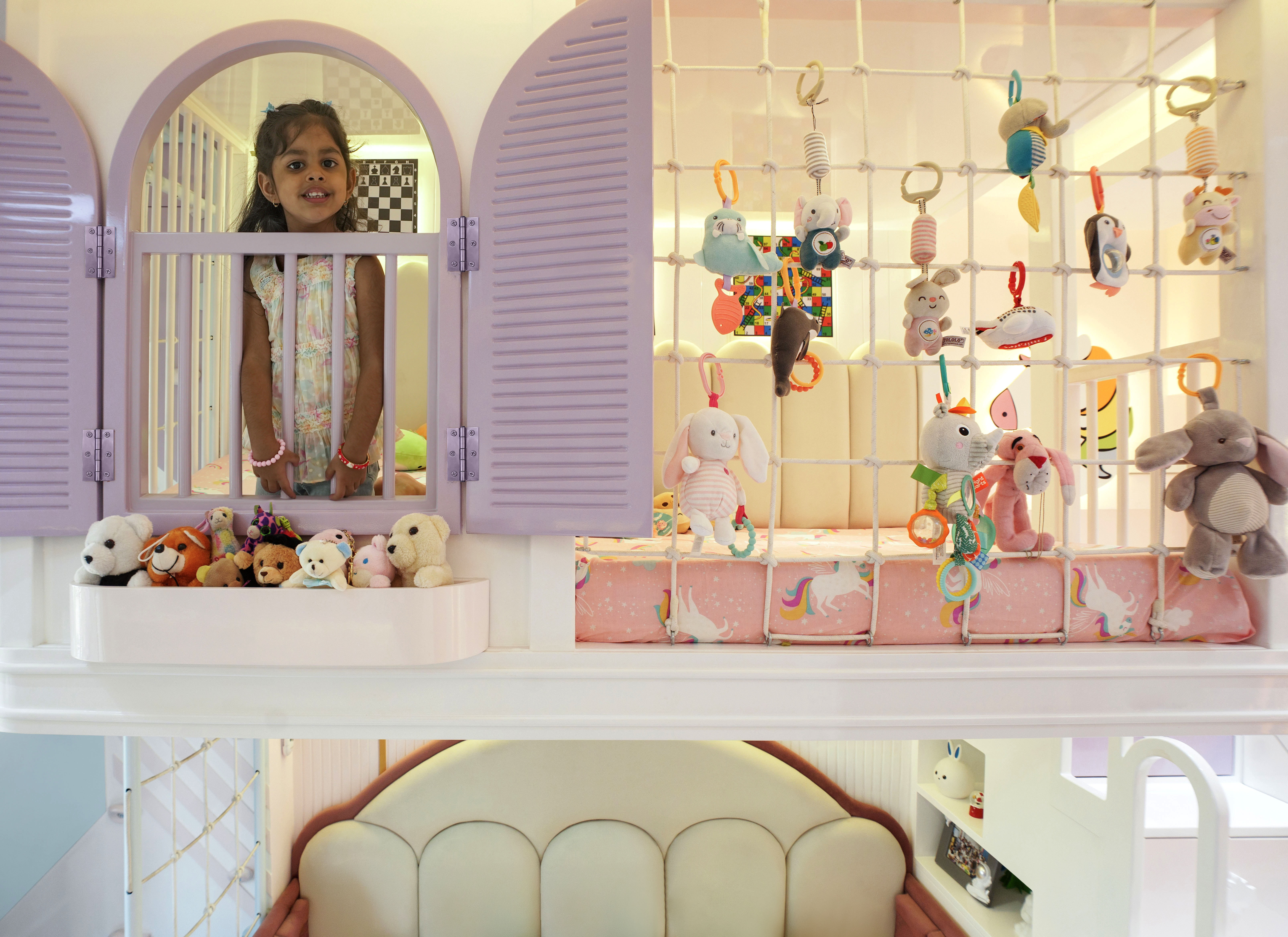
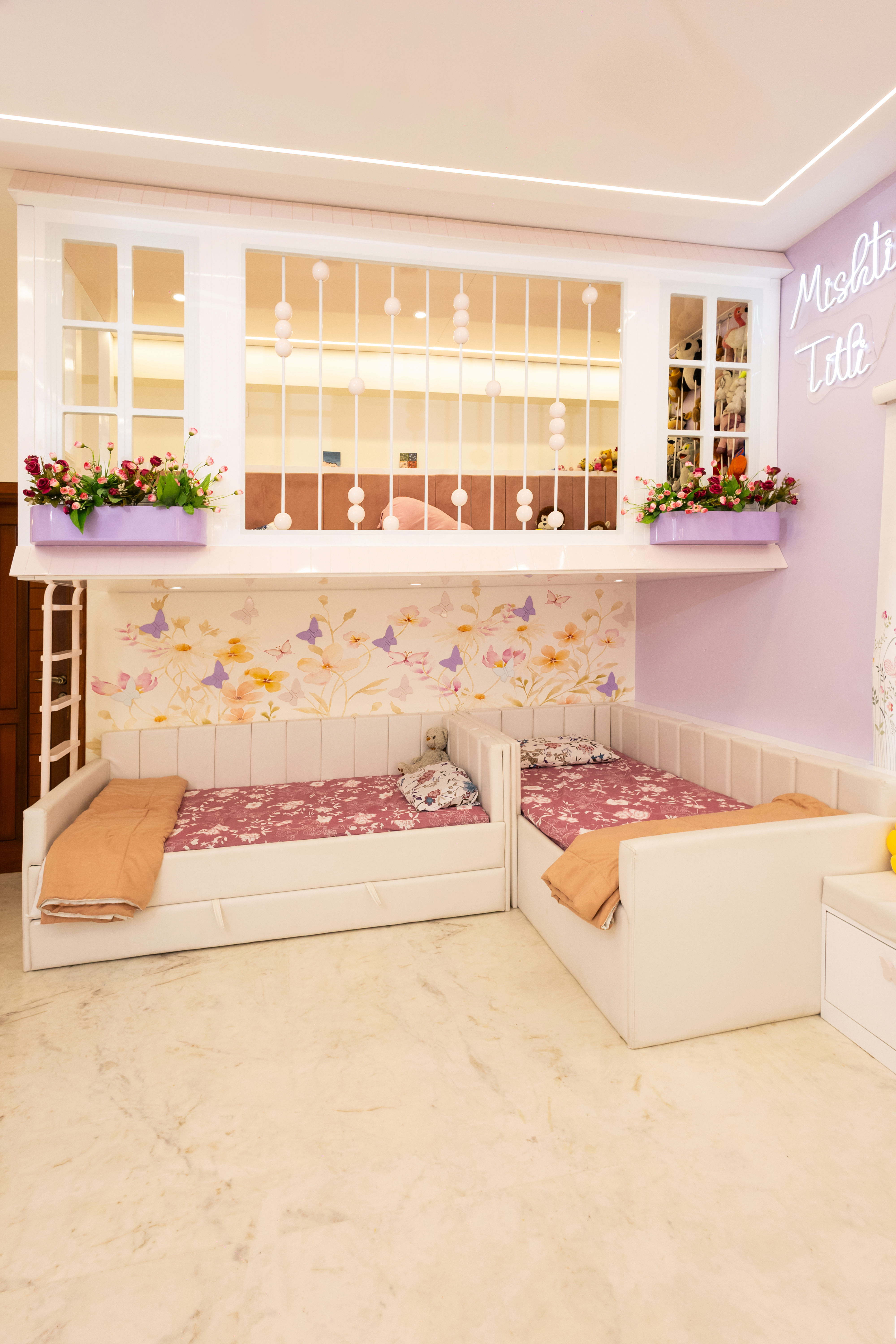
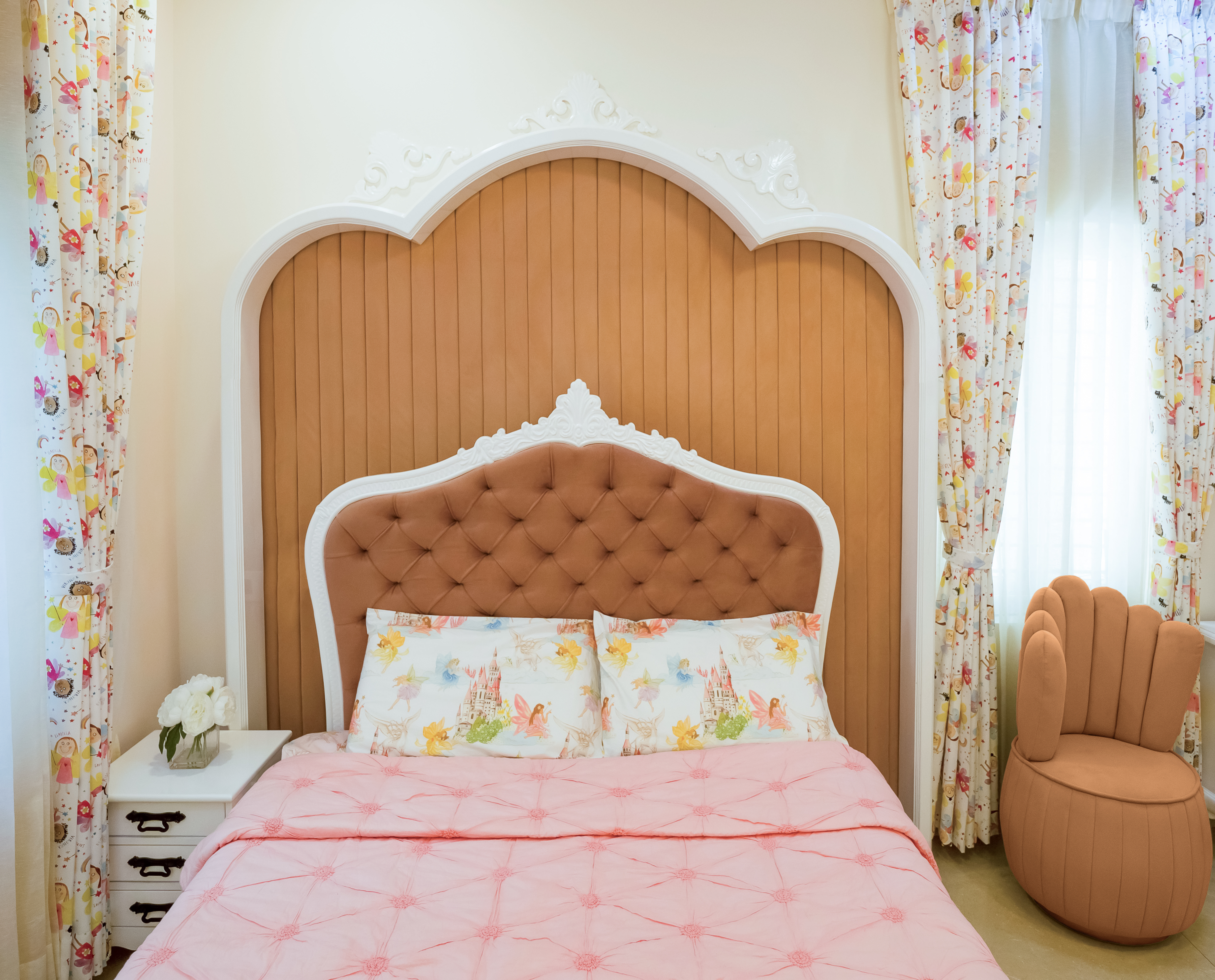
Families filmed apart. Cut together.
Every family was filmed separately, on different days, in different homes. The Meta campaigns were built in the edit — one for the children, one for the parents.
The strongest moments, from every room, in one arc.
Selecting across shoots, finding the moments that rhyme, and ordering them so a viewer meets many families and still follows one story. The children’s film and the parents’ film mirror each other, so the two can run as a pair.
Every space has a story worth telling.
We work with architects, interior designers, developers, agencies and brands to make spaces meaningful on screen — from the first frame to the final campaign.
Tell us about your space ↗Back to top ↑